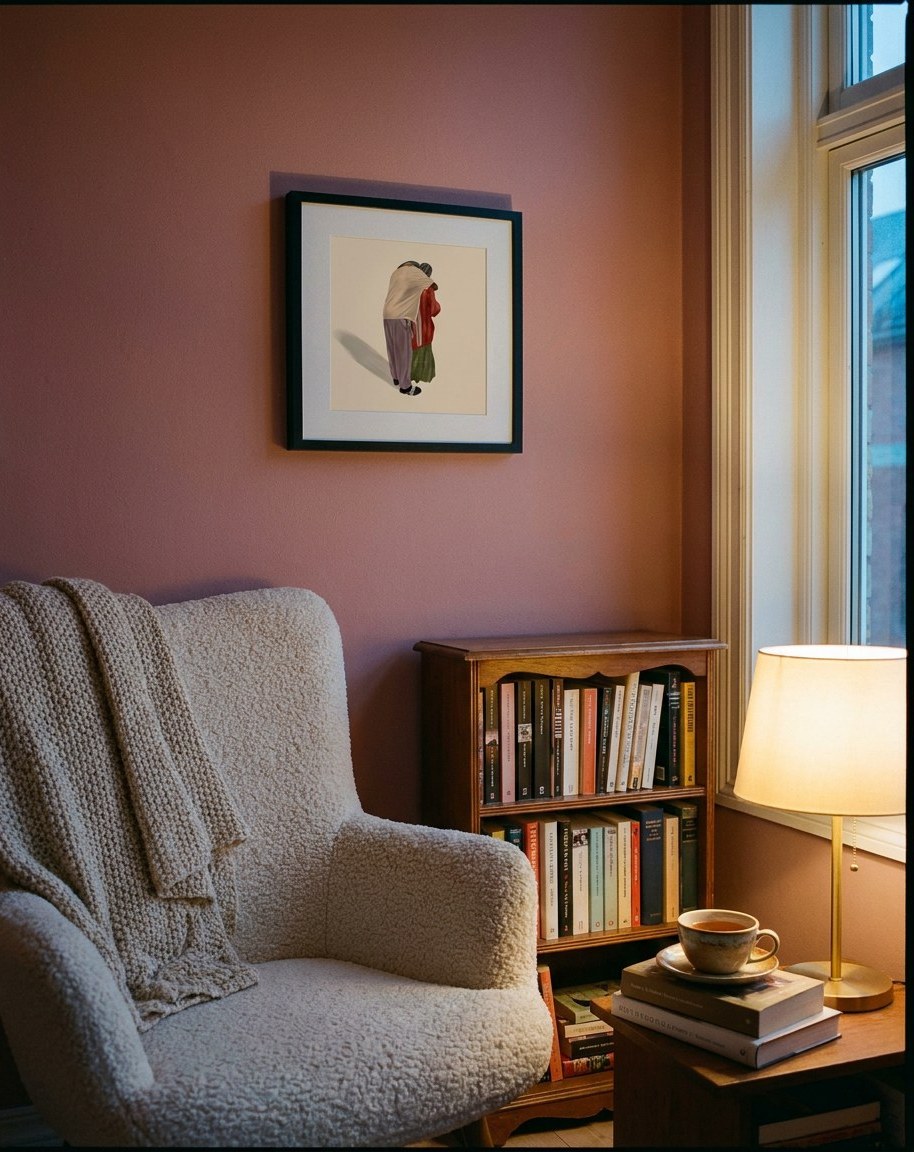
The art world has a marketing problem: its loudest stories are about auction records, so most people assume real art is not for them. The data says otherwise. The entry price of original and edition art is hundreds of dollars, not tens of thousands, and numbered editions from living artists start around the price of a dinner out. Here is how to buy well on a normal budget.
What art actually costs
The Hiscox Online Art Trade Report found that 41 percent of online art buyers paid an average of under 1,500 dollars, and that nearly half of all new art buyers now make their first purchase online. At the Affordable Art Fair, an institution built on price transparency, works start at one hundred dollars and the fair’s own directors estimate that the majority of purchases land under two thousand. The most recent Art Basel and UBS market report adds the trend line: the lower-priced end of the market is where the growth is, and around four in ten online buyers are entirely new to it. Buying art at a human price is not sneaking in the back. It is now the front door.
The ladder, rung by rung
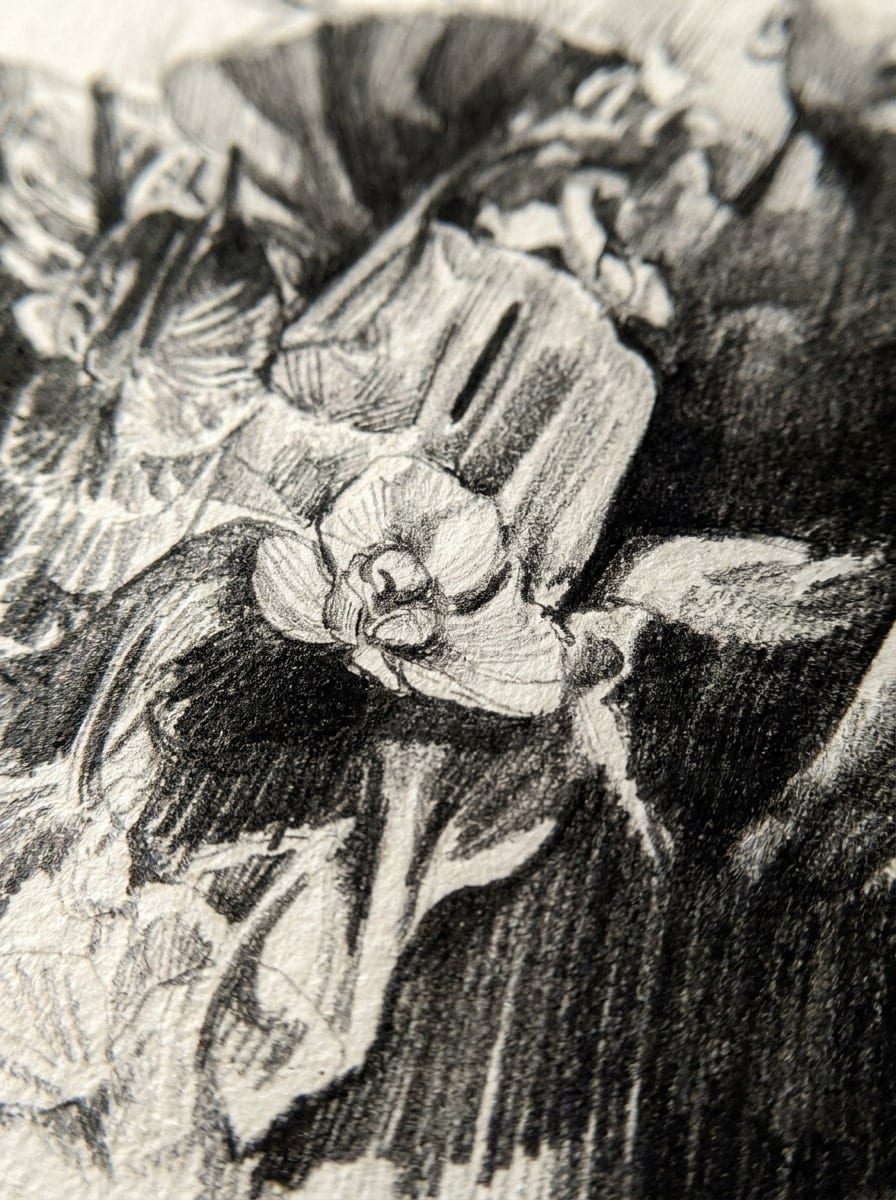
At the entry level sit numbered limited editions, which is where we would start anyone. A true edition, numbered and capped by the artist, on archival cotton paper, runs from about 45 to a few hundred dollars. We wrote a full guide to what makes an edition real. One step up are original works on paper, drawings and small studies, often in the hundreds. Then original paintings, where emerging artists price in the high hundreds to low thousands. There is no rung on that ladder that requires wealth. There is only the question of which rung fits this year.
Five rules for buying well cheap
One: buy the image, not the name. The reward your brain gets from art you find beautiful has nothing to do with fame, a fact we unpacked in the research on art and wellbeing. Two: prefer numbered editions over open-ended posters, because a cap is a promise and the materials are built to last decades, not semesters. Three: buy from living artists directly or through shops that pay them per sale, so your money grows the career of someone still making work. Four: check the paper. Archival cotton rag and pigment inks are what separate a print that yellows in five years from one your kids argue over. Five: ignore anyone who talks to you about resale. Buy what you want to see at breakfast.
Where the bargains hide
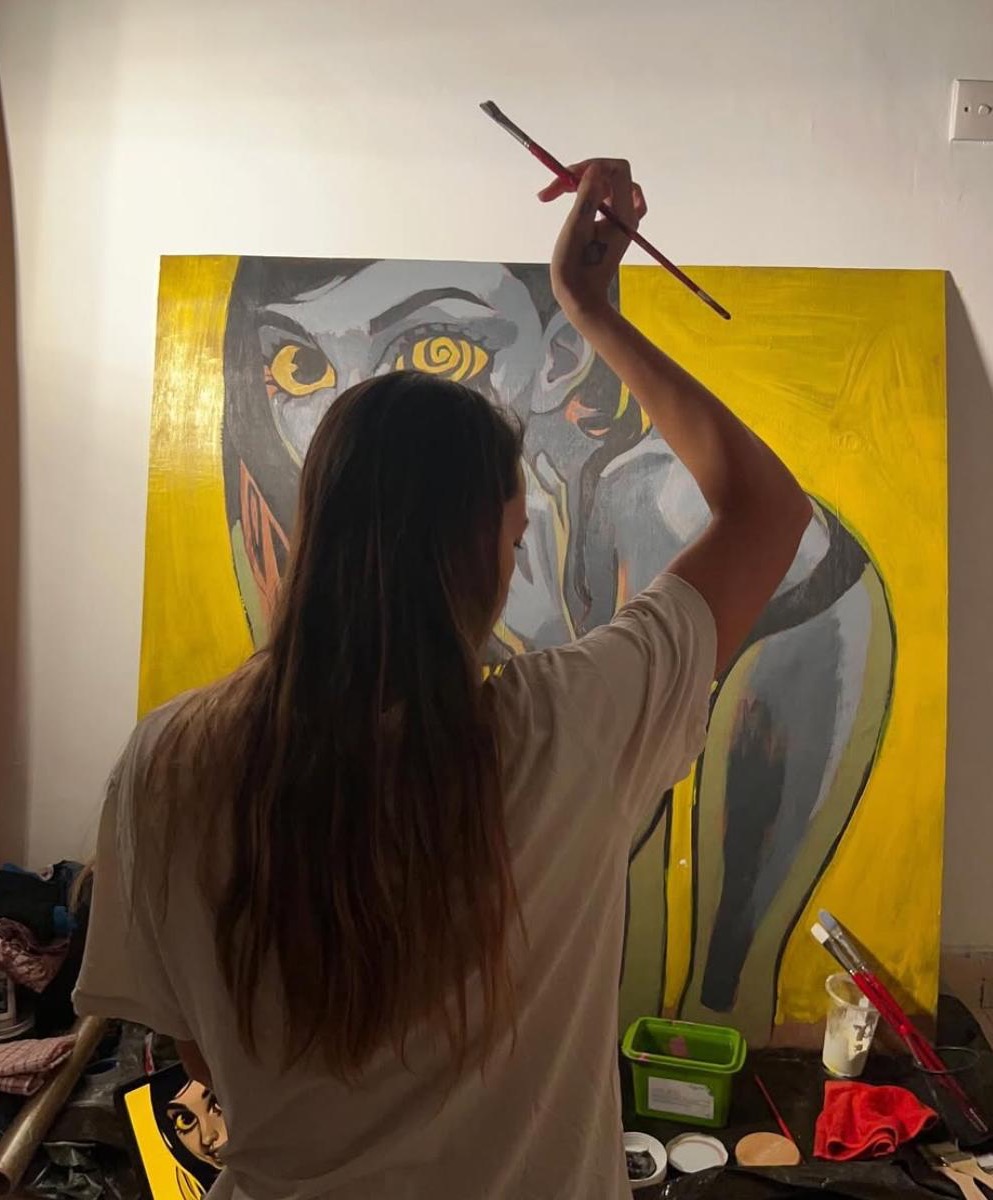
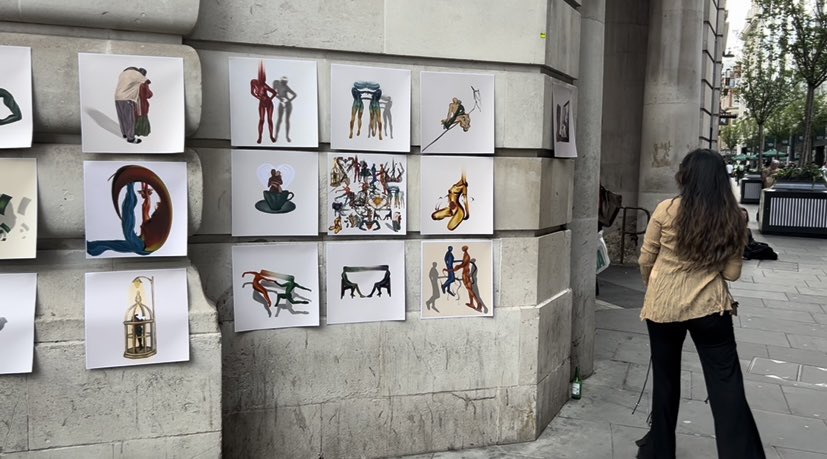
Degree shows and open studios, where artists sell without commission. Works on paper, chronically underpriced next to canvas. Small formats, which established artists often price gently. Street shows like the ones our own artists have hung on city walls. And editions from artists early in their careers, which is precisely the shelf we stock: every work in the collection is priced in plain sight, from 45 dollars, and every print pays its artist. If you do not know where to start, start with the quiz and let your own taste lead.