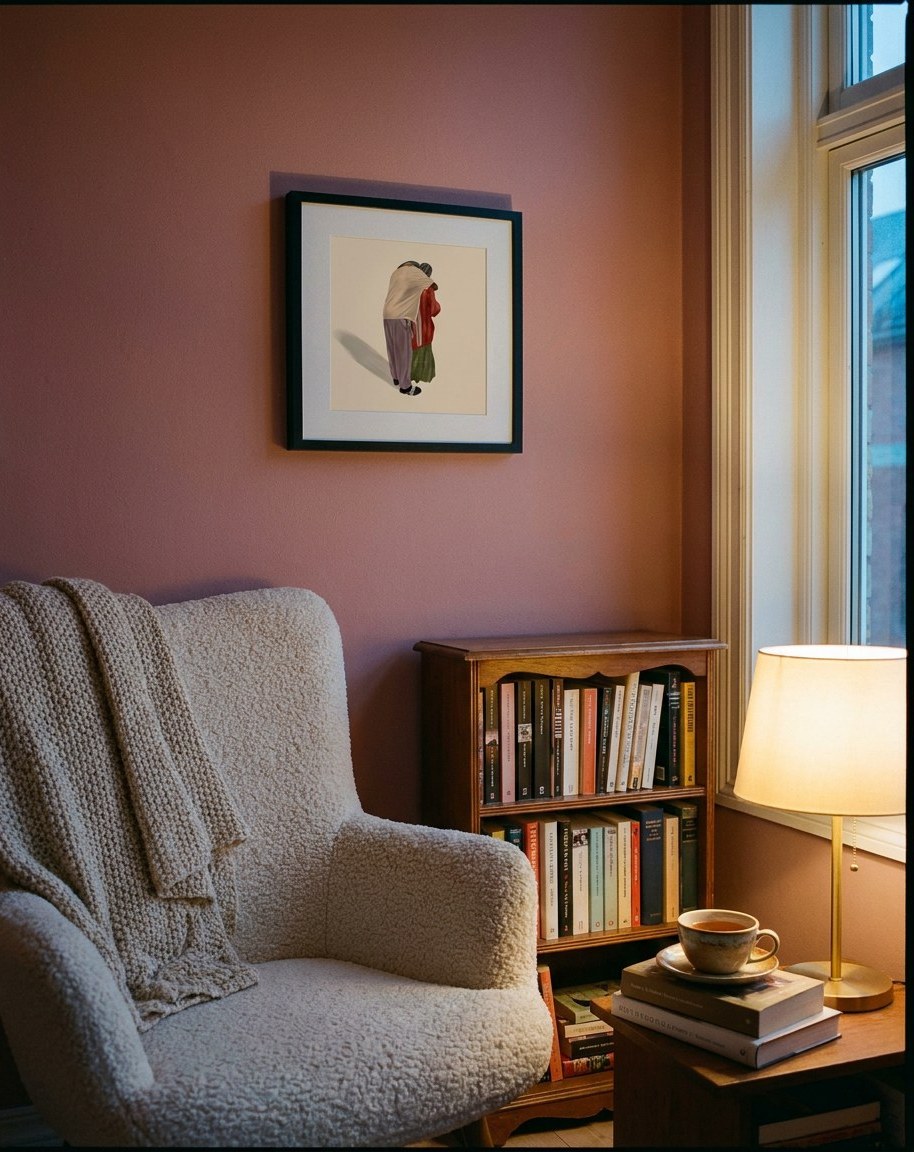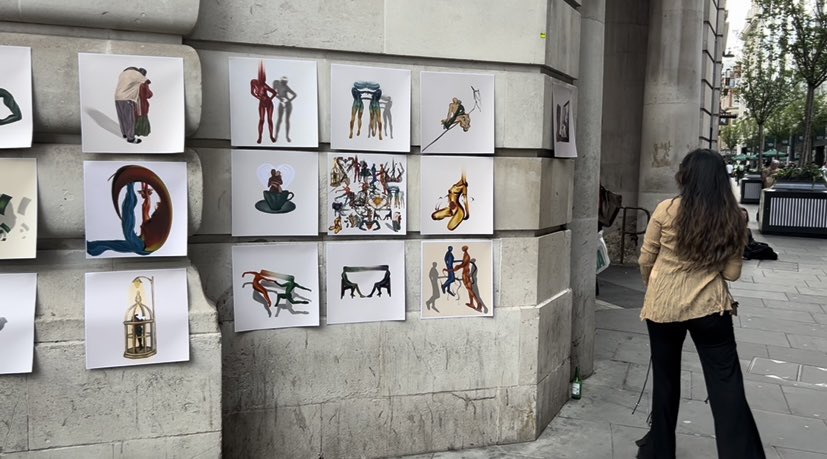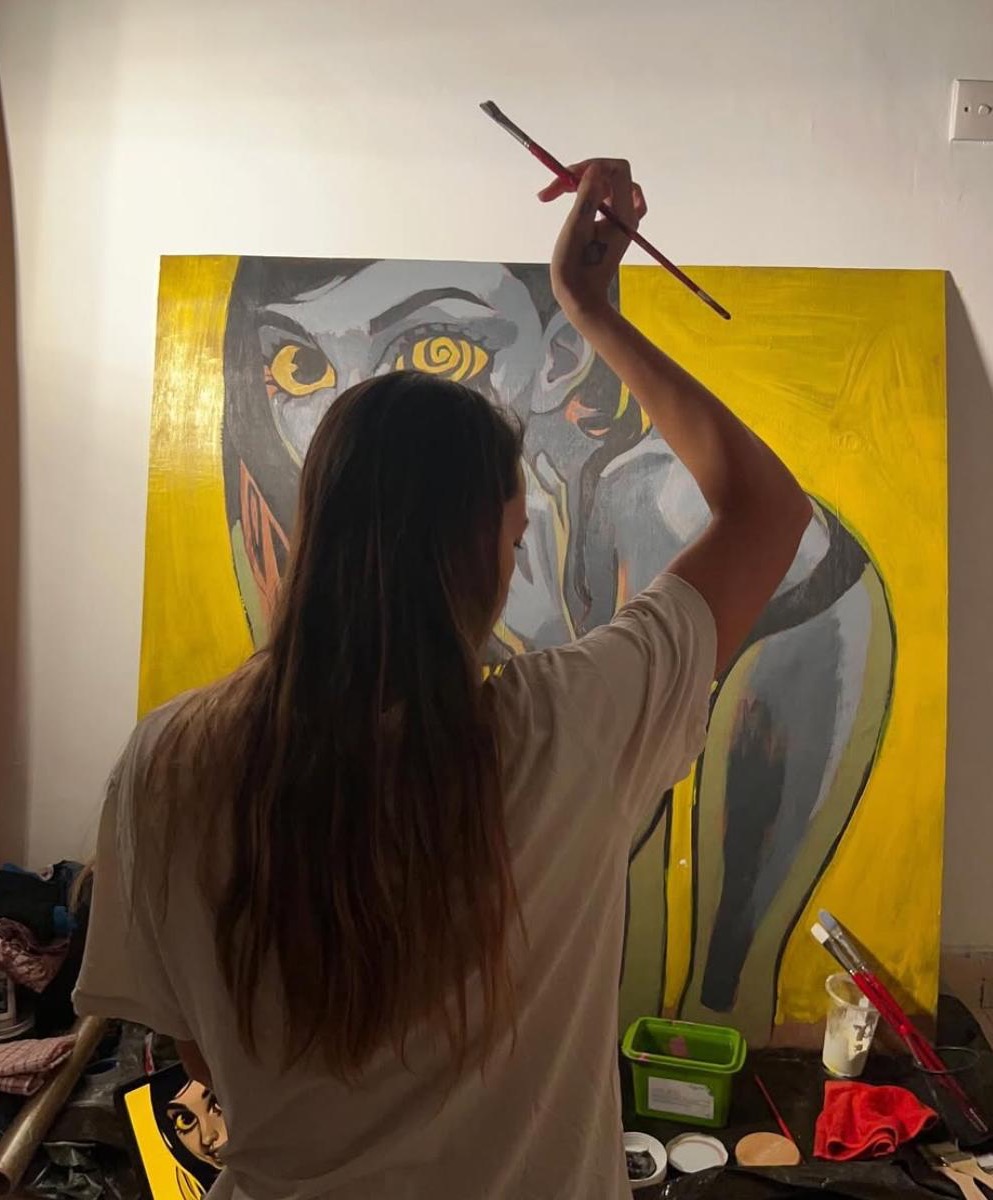
When you buy a print or a painting from a living artist, three things happen that no poster warehouse can make happen. The artist gets paid. Someone they have never met tells them the work matters. And they get one more reason not to quit. The research on all three is blunter than we expected.
The numbers nobody frames
In a survey of over a thousand visual artists by The Creative Independent, only 17 percent earned even three quarters of their income from their art, and nearly half earned essentially none of it that way. Artfinder’s survey of 1,311 independent artists found nearly three quarters earning under thirteen thousand dollars a year from their work. In Canada, where we live, the median artist income is 44 percent below the median for all workers. These are the people making the images the rest of the internet screenshots.
Where a typical art dollar goes
When a work does sell, the artist often keeps less than you would guess. The standard gallery split is around half, a convention old enough that the art press debates it openly. Big online marketplaces commonly take 40 percent or more. And on print-on-demand platforms, the artist’s share of a typical art print is around ten percent, a few dollars on a thirty five dollar sale. None of this is scandal, galleries do real work, but it explains why a direct purchase, where the artist set the terms, lands so differently. It is why we pay our artists a fixed royalty on every single print, on terms they signed, and put their name on the wall next to ours on the artists page.
What money does to the work
The clearest evidence of what happens when income reaches artists comes from an experiment in New York. Creatives Rebuild New York gave 2,400 artists a guaranteed thousand dollars a month, and the findings are hard to argue with: recipients reported feeling depressed or hopeless at a 39 percent lower rate, and spent 19 percent more hours making art. Give an artist money and you get more art and a healthier artist. It really is that direct. A purchase is a small version of the same mechanism, aimed at one person.
The part that is not about money
Ask established artists about their first sale and they rarely talk about the amount. They talk about a stranger believing the work was worth living with. Early in a career, every artist is running a quiet argument with themselves about whether to keep going. A stranger paying real money for the work is the loudest yes available. The image on your wall comes with that attached.
The artists we work with are living, working, and early enough in their careers that your print actually registers. Meet them, or let the quiz find the one whose work fits you.