Everyone knows two things about Vincent van Gogh. He cut off his ear, and he painted The Starry Night. Almost nobody knows that those two facts are six months apart, and that one leads to the other.
This is the story of the week everything broke, told from what actually survives: his letters, his doctor, and the paintings themselves.
The week, in six facts
- December 23, 1888: after a last fight with Gauguin, Vincent cuts off his left ear in Arles.
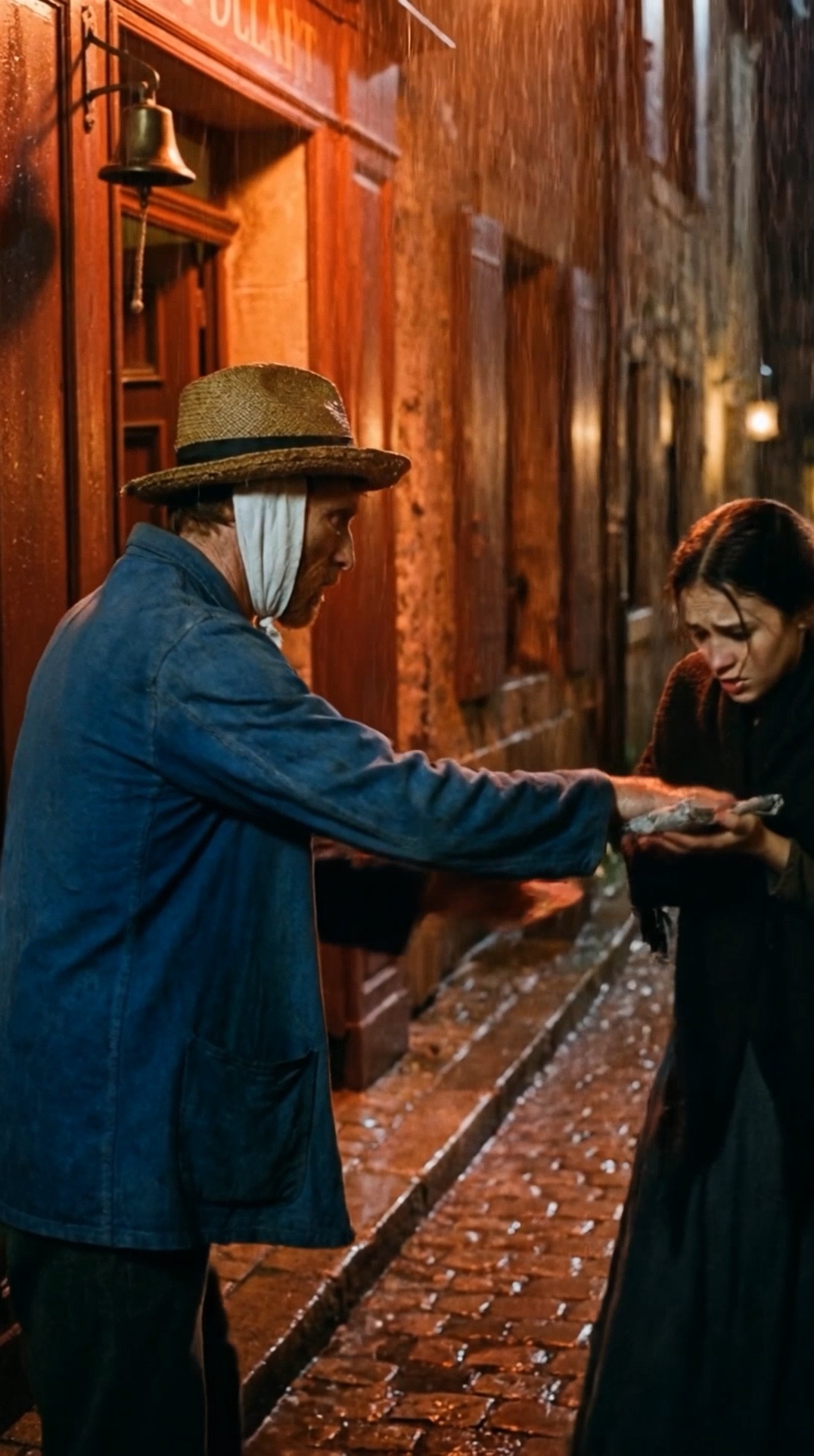
- He bandages his own head, walks across town, and hands the ear to a frightened girl.
- He thanks his hospital doctor with a portrait. It ends up patching a chicken coop. It hangs in a museum now.
- Thirty neighbors petition to have him locked away. He signs himself into an asylum instead.
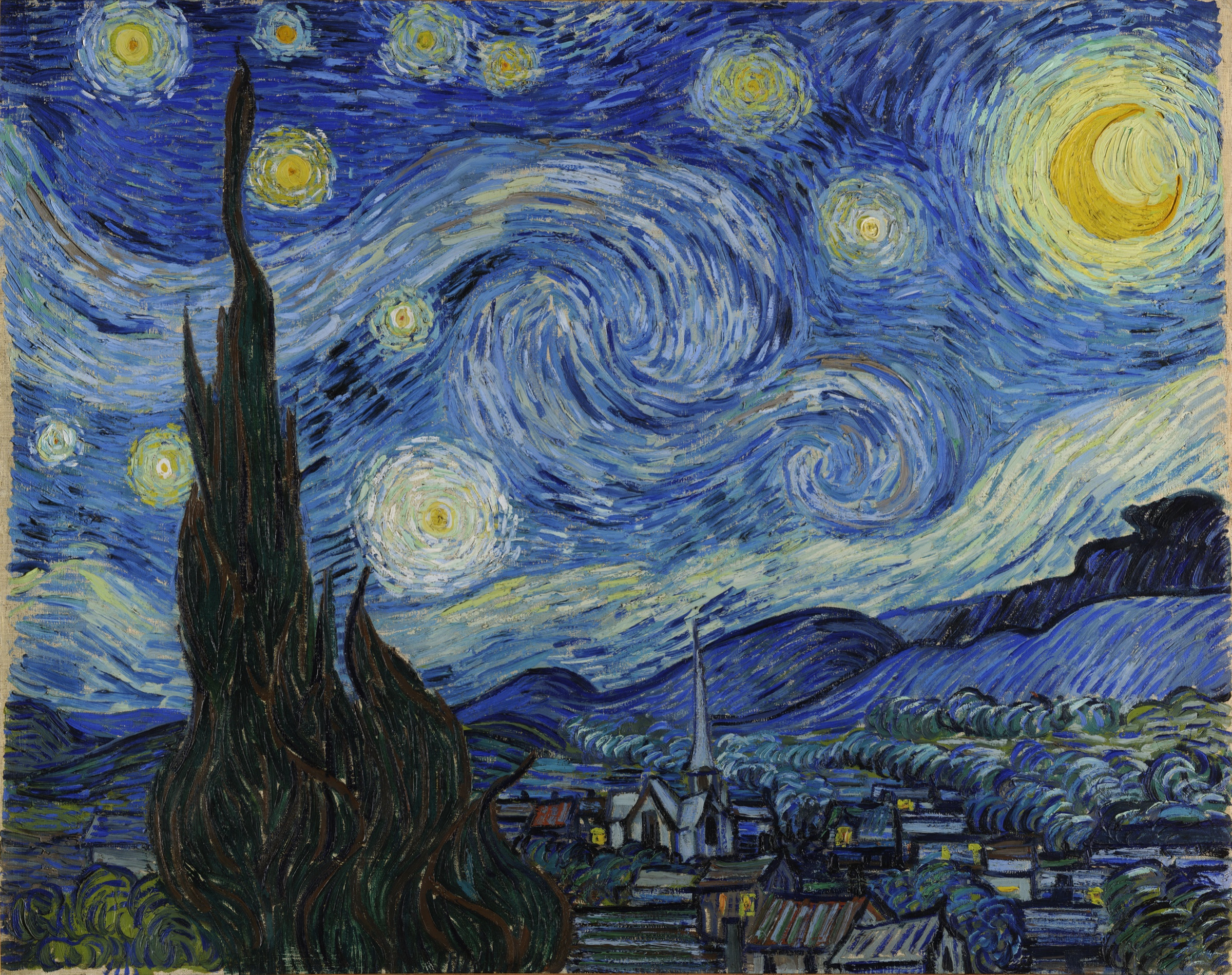
- Six months later, from memory, behind a barred window, he paints The Starry Night.
- He sold one painting in his life.
He started at twenty-seven
Before the paintings there were the failures. Vincent was a pastor’s son from a Dutch village who washed out of art dealing, out of teaching, and out of preaching to miners in Belgium, where he gave away most of what he owned and was dismissed for taking the job too literally. He did not begin painting until he was twenty-seven. Everything the world knows him for happened in one ten-year burst, and most of it in the last three years, after he moved south to Arles in 1888 for the light.
In the film we made about that year, the narrator says it in one line: you love him by sundown. Nobody else does. That was the shape of his whole life, charm and loneliness in the same room.
Why did Van Gogh cut off his ear?
On the night of December 23, 1888, in Arles, after a final fight with the painter Paul Gauguin, Van Gogh cut off his left ear with a razor, wrapped it in newspaper, and delivered it to a frightened young woman at a house near the Rue du Bout d’Arles with words recorded as “keep this object carefully, remember me.” The police found him unconscious at home the next morning.
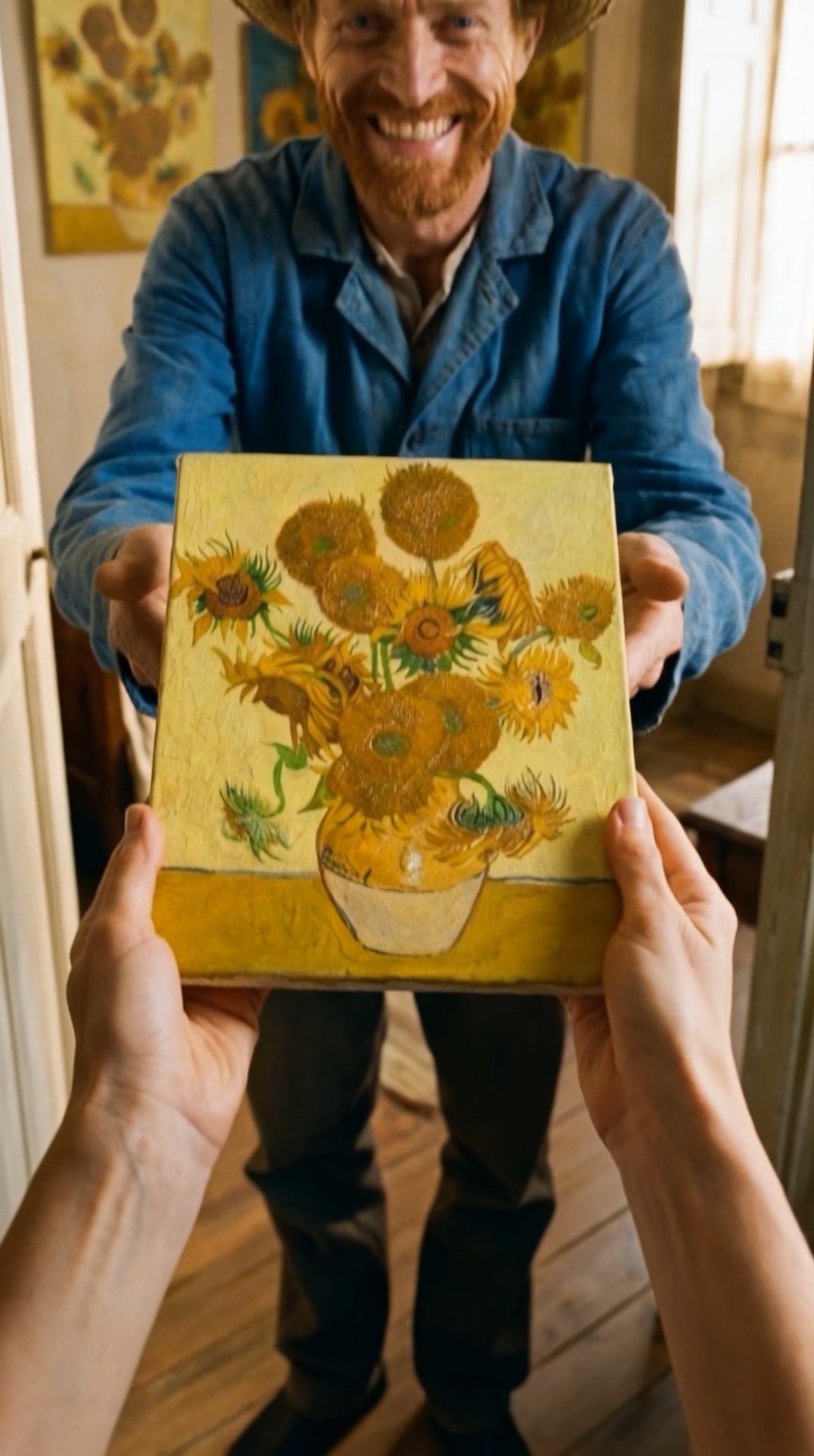
The two months before that night explain more than the night itself. Vincent had spent the autumn living with Gauguin in the little Yellow House he had rented and painted, a house he dreamed would become a studio where artists lived like brothers. He had decorated Gauguin’s room with sunflower paintings as a welcome.
The two argued constantly about one thing above all, whether a painter should work from what he sees or from what he imagines. Vincent held out for looking. Gauguin argued for memory and dreams. By late December the friendship was collapsing, and on the 23rd Gauguin walked out of the Yellow House for good. What happened next inside Vincent has been debated for over a century. What is certain is the razor, the package, and the girl at the door.
The doctor who patched a chicken coop with his portrait
At the hospital in Arles, Vincent was treated by a young doctor named Félix Rey. When he recovered enough to paint, he thanked Rey the only way he knew, with a portrait. The doctor’s family did not think much of it. For years the canvas was used to patch a hole in a chicken coop. That painting hangs in the Pushkin Museum in Moscow today. It is one of the small, absurd details that make this story human instead of tragic legend, and it says everything about how little anyone around him understood what they were looking at.
The petition of the thirty neighbors
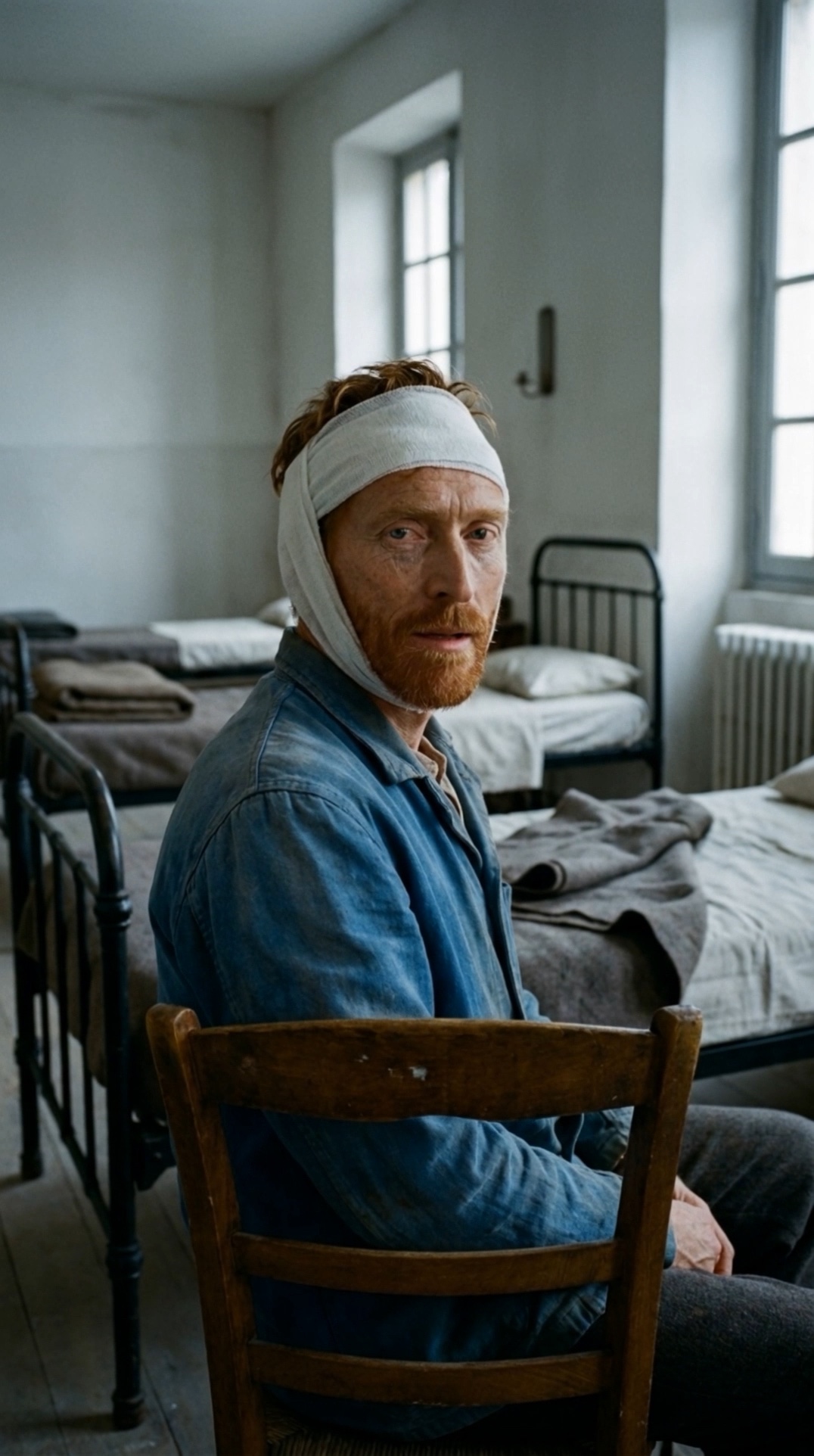
In February 1889, around thirty residents of Arles signed a petition asking the mayor to confine the man they called the fou roux, the redheaded madman. The Yellow House was closed. In May, Vincent did something quietly devastating. He signed himself into the asylum of Saint-Paul-de-Mausole at Saint-Rémy-de-Provence, voluntarily, carrying a small suitcase. He was thirty-six years old, and he kept painting.
Was The Starry Night painted from memory?
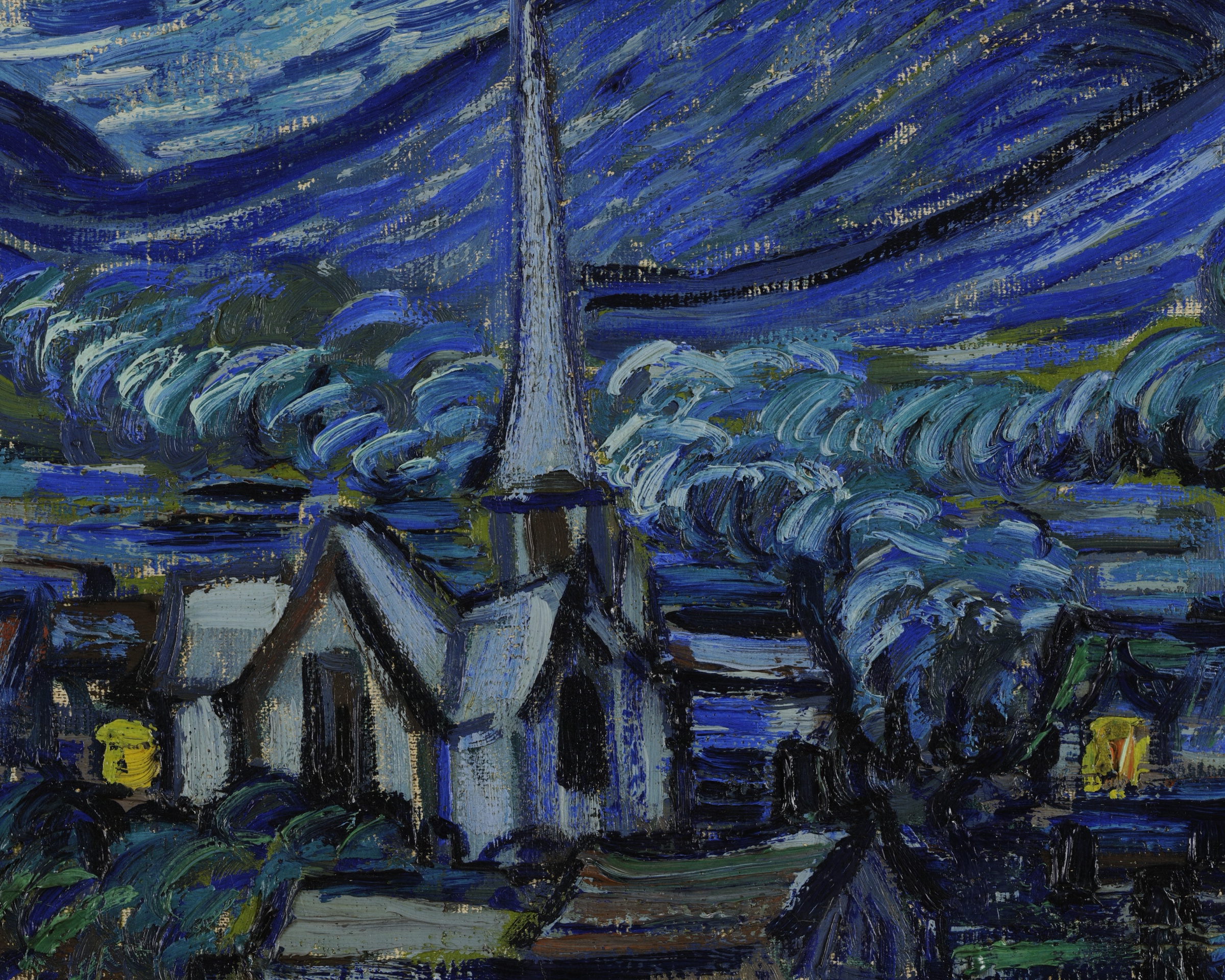
Mostly, yes. Van Gogh painted The Starry Night in June 1889 in the asylum at Saint-Rémy, and the view is not what he saw through his barred east-facing window. The village below the hills is invented. Its thin church spire is Dutch, the kind he grew up under in Brabant, planted into a Provençal landscape from a thousand kilometers of homesickness. The irony is hard to miss. The man who spent two years defending painting from observation made his most famous picture the way Gauguin always told him to, from the inside.
What is the bright star in The Starry Night?
The largest light in the sky, low and burning to the right of the cypress, is the planet Venus. Astronomers have confirmed that Venus really was exceptionally bright over Provence in June 1889, and Vincent watched it from his window. He wrote to his brother Theo about it that same month.
“This morning I saw the countryside from my window a long time before sunrise, with nothing but the morning star, which looked very big.”
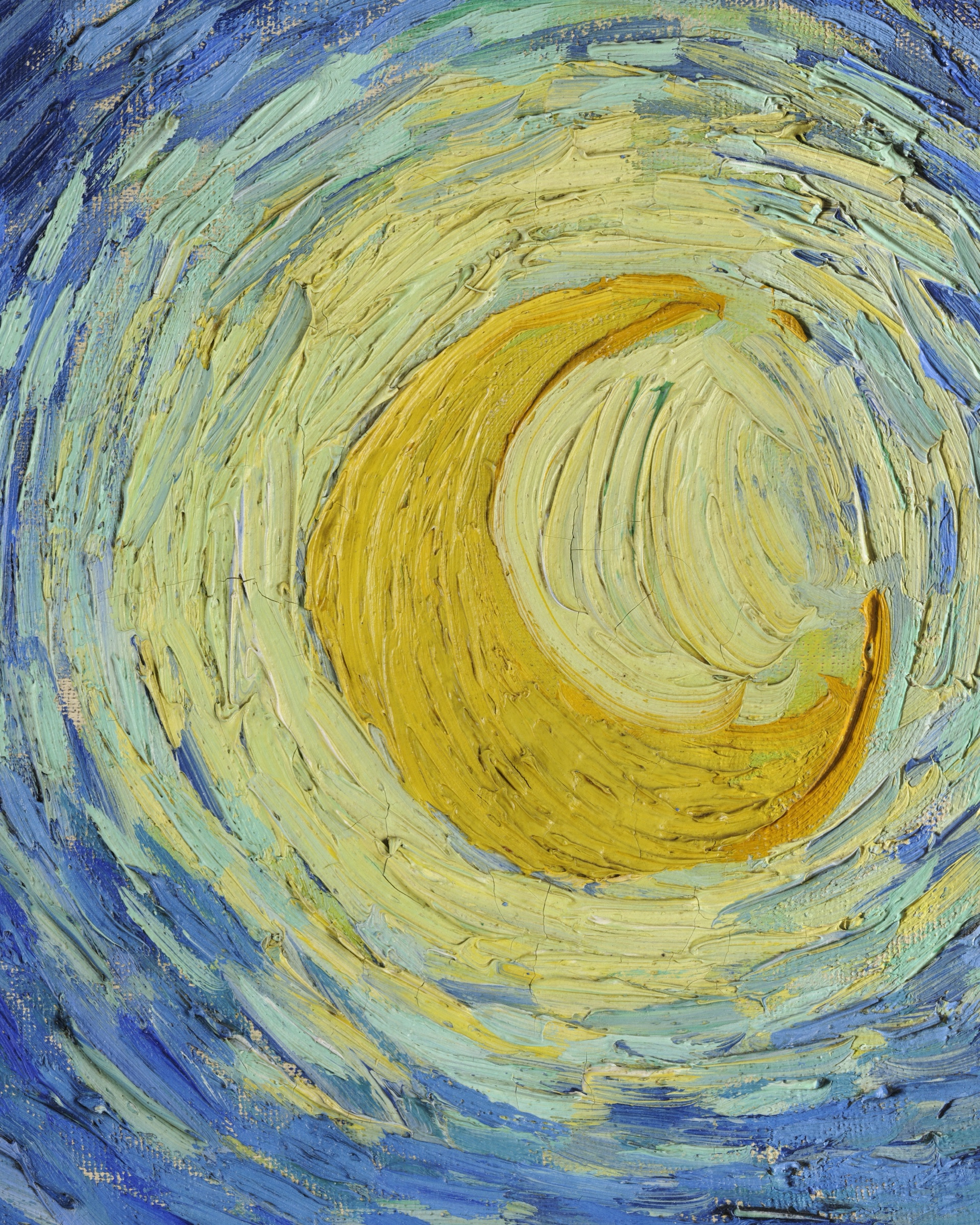
Look closely at the real canvas and the sky stops being smooth. Every curl is a separate stroke of thick paint laid wet into wet, and in places the raw canvas shows through, which tells you how fast he worked. No second pass, no smoothing. He did not think much of the result. In his letters he called it a study, and when he listed the Saint-Rémy paintings that mattered to him, this one was not on the list.
How many paintings did Van Gogh sell in his lifetime?
One documented sale, The Red Vineyard, bought for 400 francs in early 1890 by the painter Anna Boch. Scholars debate one or two possible others, but the picture is clear either way. In ten years he painted roughly nine hundred canvases and the world bought almost none of them.
The one person who never stopped believing was his brother Theo, whose letters arrived with money folded inside, month after month, for a decade. Vincent died in July 1890. Theo died six months later, and it was Theo’s widow, Jo van Gogh-Bonger, who spent the rest of her life placing the paintings and publishing the letters until the world finally saw what she saw.
“Looking at the stars always makes me dream. Just as we take the train to get to Tarascon or Rouen, we take death to reach a star.”
Why we made a film about this week
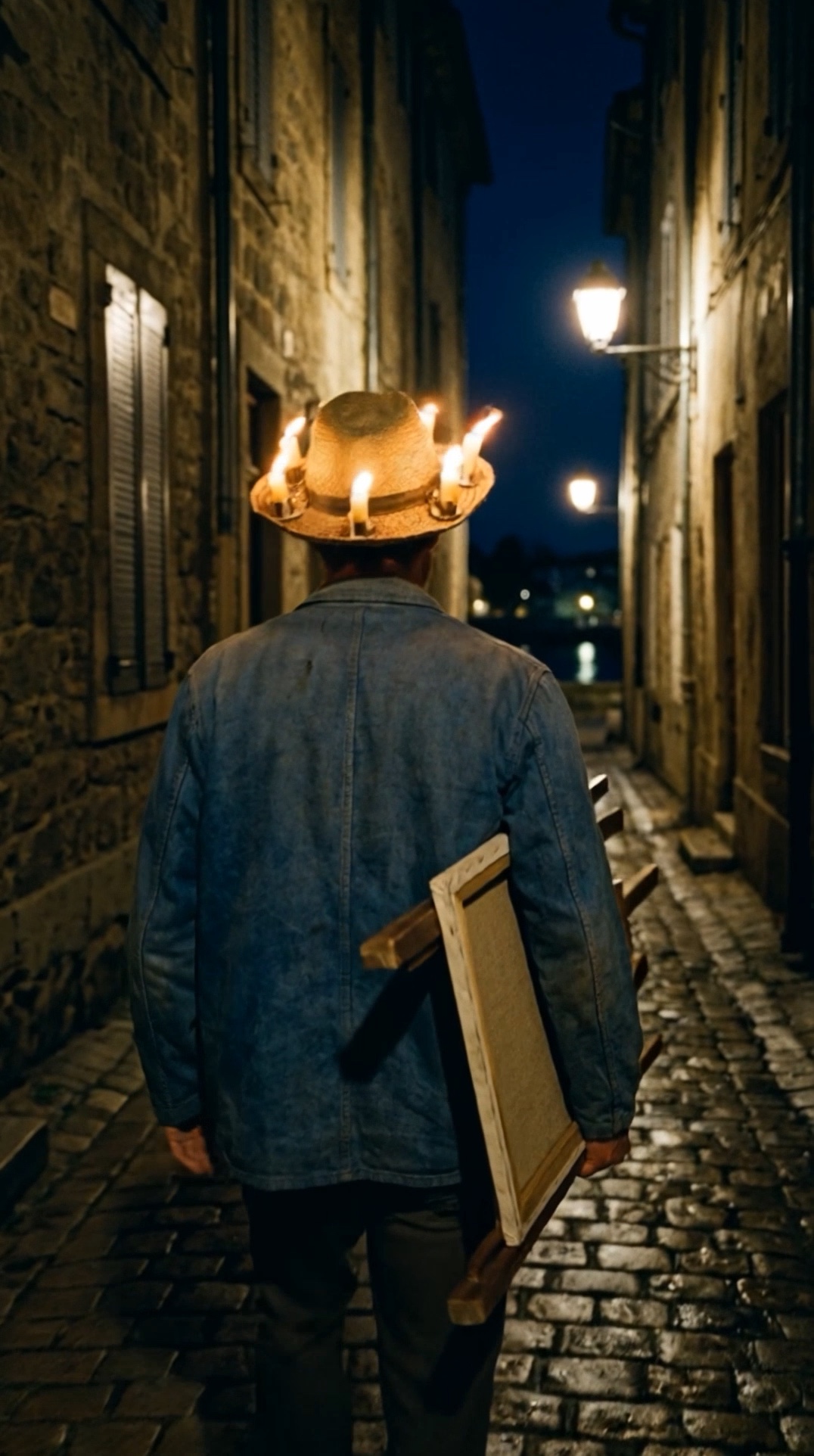
We spent a day rebuilding that December week as a short first-person film, the kind where you are standing in the room. You arrive as his houseguest, he hangs sunflowers on your wall, and you live the seven days to the bell on the door across town. Every painting shown in it is the real one, down to the brushstrokes, and his words at the end are from the letter above. You can watch it on YouTube, on our Instagram, or right here.
And because the question we get most is where to see the painting, The Starry Night hangs at the Museum of Modern Art in New York, where the crowd in front of it never really thins. If you want to know what art you would love the way he loved the night sky, the style quiz takes two minutes.
He sold one painting in his life. Tonight his sky hangs in a million bedrooms. The man they petitioned out of town taught the world to see the night.